

HRC image
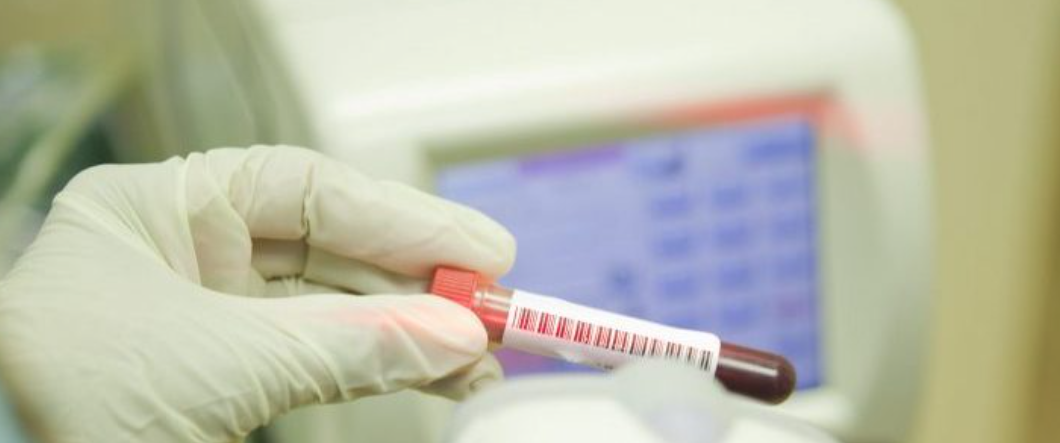
The HRC in Diagnostic and technology evaluation applies innovative clinical research methods to efficiently evaluate diagnostic technologies. The centre examines whether new diagnostics are clinically useful, cost-effective and beneficial to the public.
Through supporting funding applications, working in partnership on projects, and delivering training, they help diagnostic innovators thrive and build their evidence. Since 2013 they have worked with over 280 companies including over 180 small and medium-sized enterprises. They have helped innovators obtain over £25 million in external funding and delivered commercially funded projects. They support the development of diagnostic technologies from their invention to their adoption. They specialise in three clinical themes: Ageing and multiple long-term conditions, infection, and precision medicine and rare diseases. By supporting better diagnostics, they hope to improve people’s health and care.
About HRC's theme
Diagnostic and technology evaluation refers to the scientifically rigorous examination of tests and devices related to imaging, artificial intelligence, and digital healthcare that are used for diagnosing medical conditions. The centre embeds patient and public involvement and engagement (PPIE) into their evaluations which include examining clinical and cost effectiveness. This ensures only high-quality tools that have healthcare system and patient benefits are adopted into the NHS.
Support provided
- Ageing and multiple long-term conditions: evaluating diagnostics that are fit for the needs of older patients, building on the North East’s international reputation for research excellence in ageing.
- Infection: expanding the centre's proficiency in evaluating diagnostics for infectious diseases, including respiratory infections and urinary tract infections alongside devices that identify the most appropriate treatments to combat antimicrobial resistance.
- Precision medicine and rare diseases: evaluating tests that identify patients who will respond to specific treatments, strengthening the North East's world leading expertise in this area.
- Evidence generation including care pathway analysis; identifying value propositions; design and analysis of analytical performance and diagnostic accuracy studies; health economics and PPIE.
- Business support including colloboration on funding applications; training and project management.
- Assessment of unmet clinical need.
- Ageing and multiple long-term conditions
- Infection
- Precision medicine and rare disease
- Qualitative methods including: target product profile development and unmet needs; clinical landscaping; expert elicitation; systematic reviews; regulatory support
- Quantitative methods including: analytical performance; diagnostic accuracy; early health economics; health economics
- Mixed methods including: care pathway analysis; value propositions; PPIE; clinical study design; usability testing; post-market surveillance
- Evidence generation including care pathway analysis; identifying value propositions; design and analysis of analytical performance and diagnostic accuracy studies, health economics and Public and Patient Involvement and Engagement (PPIE)
- Business support including colloboration on funding applications; training and project management
-
They deliver regular training courses around evidence generation for diagnostics development
-
They have developed several diagnostic web applications
- They can support PPIE within projects through facilitating meetings with their Insight Panel for Patients, Public and Carers.