

HRC image
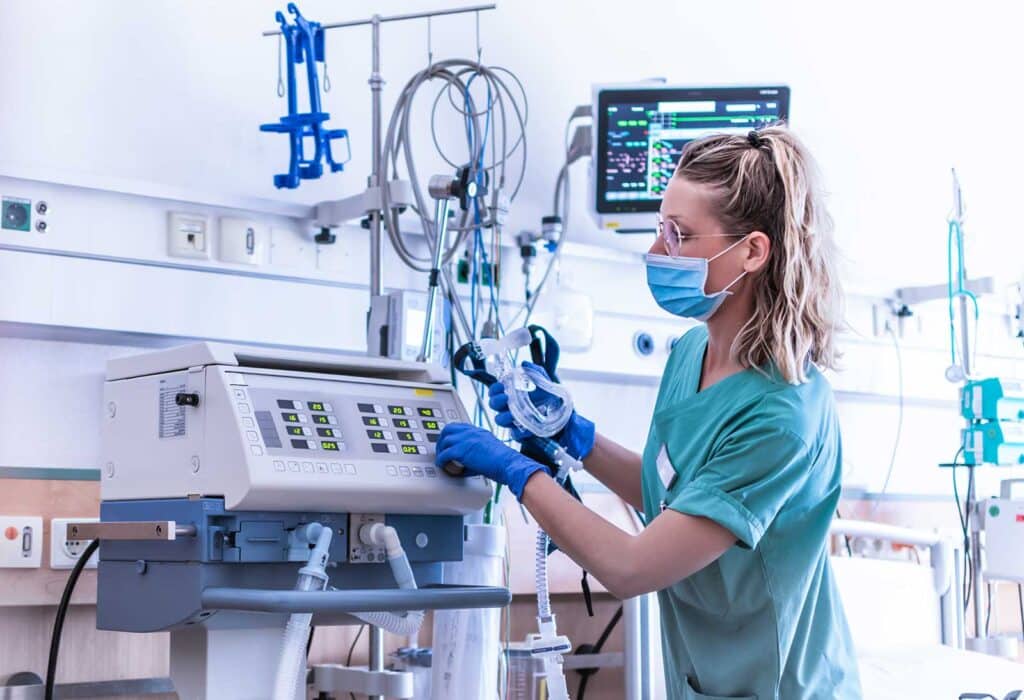
The HRC in Sustainable innovation unites researchers, clinicians and medical technology companies to develop, test, and improve medical devices, diagnostics and digital technologies, developing sustainable, innovative, and patient-focused health technologies that will benefit all.
Technological innovations have the potential to revolutionise healthcare services for everyone, helping people to better monitor their health, diagnose ill health sooner and improve management of conditions. In turn this can help to benefit our healthcare systems and the people who work in them. By working collaboratively with businesses we are developing sustainable, innovative, and patient-focused health technologies that improve patient care and benefit the NHS.
About HRC's theme
A key focus in sustainable innovation, is developing products and solutions that reduce negative environmental impact and waste (e.g, single use plastics), creating circular economies (e.g., reusing, recycling and reducing medical equipment), reduce negative environmental impact (e.g. lowering clinical carbon emissions), as well as reducing the overall cost to the NHS making the delivery of services and products more financially sustainable.
Support provided
- Healthcare technical solutions: co-develop and evaluate data algorithms, AI, Apps and sensor technology (on person and in environments) for use in clinical and community settings.
- Infrastructure & facilities: systems and partnerships are in place to quickly evaluate new technologies including; the NIHR Exeter Biomedical Research Centre, the NIHR Applied Research Collaboration South West Peninsula (PenARC), the Clinical Research Network South West Peninsula, the NIHR Exeter Clinical Research Facility, the VSimulators, University of Exeter multi-disciplinary research facility, and the Mireille Gillings Neuroimaging Centre.
- Collaboration and partnerships: working with local, national and international companies as well as regulatory bodies, NHS health and care organisations, charities and development partners.
- Navigating the regulatory landscape: using combined expertise to support the journey through regulation, reducing the time to target, collect and present evidence. This ensures that new developments progress through the developmental and regulatory processes in a seamless and streamlined way, reducing time to market.
- Rehabilitation, frailty & ementia
- Diagnostics and biomarkers
- Digital innovation and artificial intelligence
- Sustainable innovation
- Commercialisation and capacity building
- Real-world evaluation
- Health economics methodology
- Human factors engineering
- Digital, data and AI
- Patient and public involvement and engagement (PPIE)
Secure access to the Southwest Secure Data Environment (SDE)